Ceramic Coating vs Wax:
Which is Best for Gold Coast Cars?
Gold Coast’s harsh UV, salt air, and coastal heat destroy ordinary wax in weeks. Here’s an honest breakdown of what actually protects your paint — and for how long.
If you’ve been googling ceramic coating lately, you’ve probably noticed that every detailing business on the Gold Coast will tell you the same thing — ceramic coating is the best thing you can do for your car, full stop. We’re going to give you a more honest answer than that.
The truth is, ceramic coating is genuinely life-changing protection for the right car and the right owner. But for some people, a quality wax is perfectly sufficient — and spending $1,500+ on a coating you won’t maintain properly is a waste of your money. We’d rather tell you that upfront than take your cash for a service that won’t deliver what you’re expecting.
So let’s break it down properly. We’ll look at what each option actually does, how they hold up in Gold Coast’s brutal climate, what they cost over time, and most importantly — which one suits your specific situation.
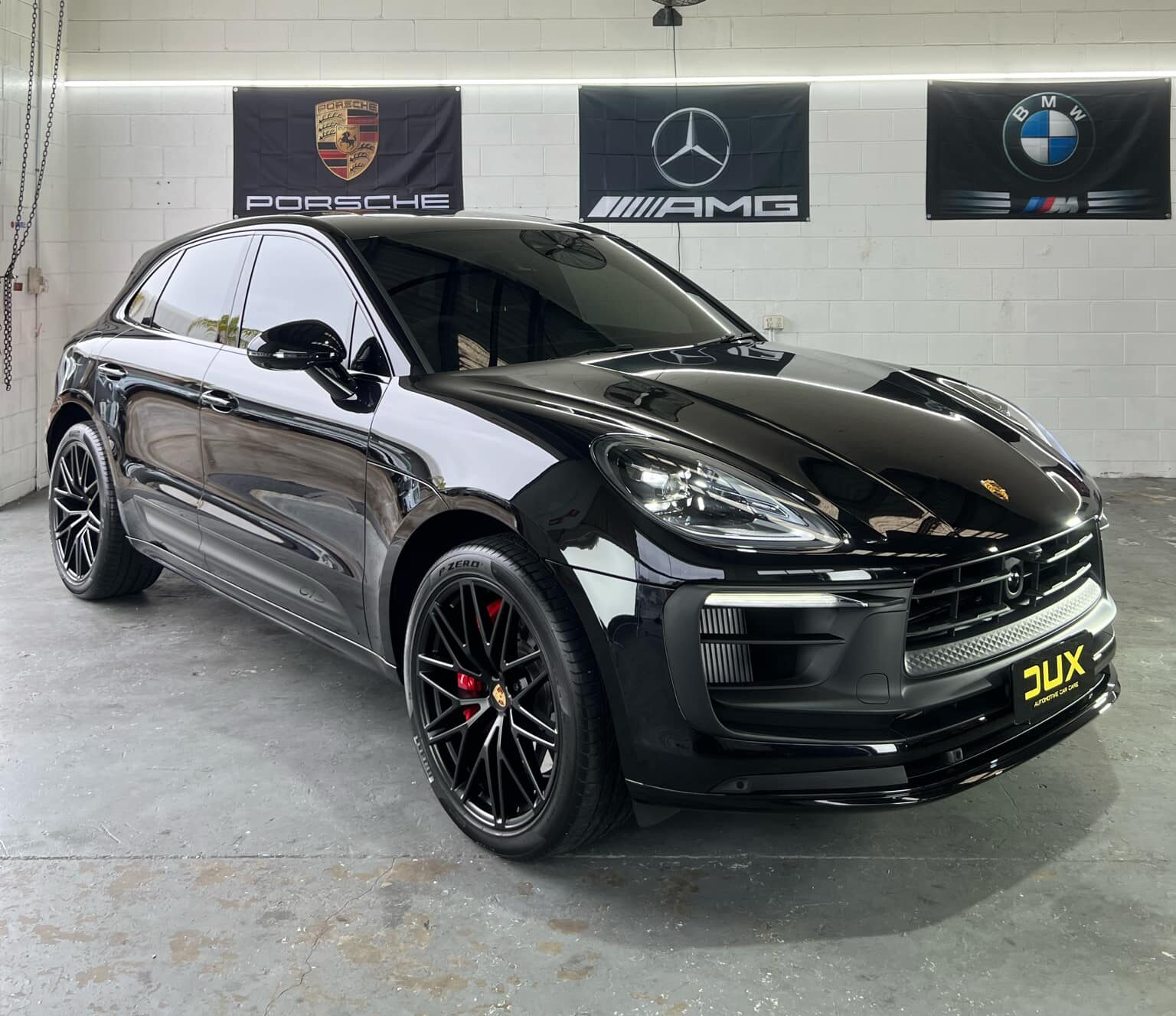
What is Car Wax?
Traditional car wax — whether natural carnauba or a synthetic polymer — sits on top of your paint as a thin protective layer. It doesn’t bond chemically with your clear coat, it simply sits on the surface, filling in minor imperfections to add shine and a basic level of protection.
Wax has been around for decades and there’s a reason it’s stuck around — it’s affordable, widely available, and gives your car a decent shine without much fuss. For the right situation, it does the job.
The problem is durability. In Queensland’s climate — intense UV, coastal salt air, high humidity — a quality carnauba wax will last anywhere from a couple of weeks to maybe two months before it breaks down completely. Synthetic sealants last a little longer, maybe three to six months, but still need constant reapplication to maintain any meaningful protection.
Let’s be honest about something. Most people who say “I’ll wax it every month” or “I’ll do it on the weekend” — it doesn’t happen. Life gets in the way. The weekends fill up, the car still runs fine, and before you know it six months have passed and your paint hasn’t seen any protection since you drove it out of the dealership. We’re not judging — we see it constantly. So when you’re weighing up your options, factor in not the maintenance schedule you intend to keep, but the one you’ll realistically stick to.
What is Ceramic Coating?
Ceramic coating is a liquid polymer that chemically bonds to your car’s clear coat, forming a semi-permanent protective layer. Unlike wax, it doesn’t sit on the surface — it becomes part of it. This chemical bond is what gives ceramic coating its durability and what makes it fundamentally different from any wax or sealant product on the market.
Professional-grade ceramic coatings like ArtDeShine — which we use here at Dux Car Care — offer up to 7 years of protection when properly applied and maintained. These are professional formulations that aren’t available over the counter and require certified application to perform as advertised.
One thing worth understanding is why professional studio application matters. It’s not just about the product — it’s about the process. Working in a proper studio environment means we have the right lighting setup to identify every defect in your paint before we start, correctly remove those defects during the polishing stage, and properly level the coating during application so it bonds evenly and cures properly. These are things you simply can’t do to the same standard in a driveway or from the back of a mobile van.
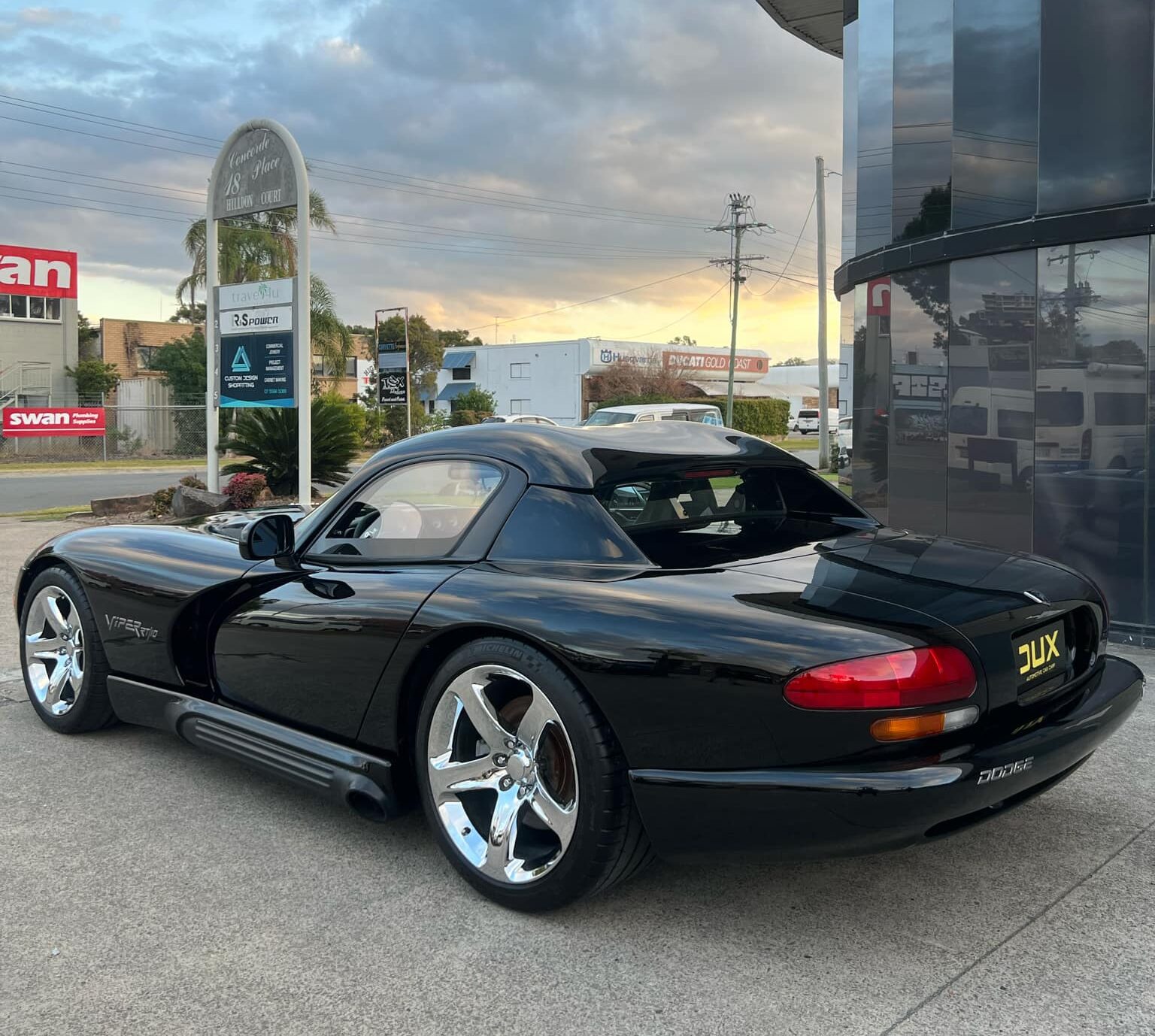
The Real Long-Term Cost of Skipping Ceramic Coating
This is the argument most detailing businesses don’t bother making — probably because it takes a bit more explaining. But once you understand it, the decision becomes a lot clearer.
Let’s say you skip ceramic coating and plan to stay on top of waxing. Fair enough. But here’s what actually happens over time on a Gold Coast car that isn’t properly protected.
Wax breaks down fast in Queensland — especially if your car lives outside. In reality, most cars that “get waxed occasionally” are spending the majority of their life with zero protection on the paint. That means your clear coat is taking the full force of Queensland’s UV every single day.
When the paint eventually starts looking dull and chalky — and it will — you’ll need a cut and polish to restore it. That’s not cheap, and here’s the part that really matters: every cut and polish removes a thin layer of clear coat. Do it two or three times over the life of the car and you’re working with significantly less clear coat than you started with. Some vehicles — Toyota 79 Series, we’re looking at you — already come from the factory with notoriously thin clear coat. There’s only so many times you can polish those before you’re in serious trouble.
Less clear coat means less UV protection, which accelerates paint fade. It also means less room to correct future defects. At a certain point, polishing isn’t an option anymore.
Then there’s bird droppings. In Queensland, with the heat we have, a dropping left on unprotected paint for even a few hours can etch through the clear coat permanently. Ceramic coating isn’t completely bulletproof against this — nothing is — but it gives you a significant buffer. On bare, unprotected paint you’re one careless afternoon away from permanent etching.
Follow that with a few years of harsh Queensland sun on compromised clear coat and you’re looking at cracking, peeling, and potentially a panel respray. A respray on even one or two panels will cost you as much as — or more than — a ceramic coating would have from the start. Except now your paint isn’t original, and your resale value has taken a hit too.
Ceramic coating from day one isn’t just about gloss. It’s about preserving your clear coat, reducing the need for aggressive polishing, and giving your paint a fighting chance against everything Queensland throws at it.
So Who Should Actually Get Ceramic Coating?
Ceramic coating is the right choice if:
- You own a car you genuinely care about and want to keep in great condition long term
- Your car lives outside and is exposed to Queensland sun, salt air, or coastal conditions daily
- You’ve just bought a new car and want to protect the factory paint from day one — check out our new car ceramic coating packages for more on that
- You’re planning to sell in a few years and want to maximise resale value
- You want to spend less time washing — ceramic coating’s hydrophobic properties mean dirt and water sheet off rather than sticking, making maintenance washing significantly quicker and easier
- You own a prestige, classic, or modified vehicle where paint condition directly affects value
And Who Should Just Get a Wax?
This is the part most detailing businesses won’t tell you. Wax is actually the right call if:
- Your car is a true garage queen — stored indoors, driven occasionally in good weather, and you genuinely enjoy the ritual of maintaining it yourself
- You treat your car purely as a way to get from A to B and honestly don’t care about paint condition or resale value — and there’s zero shame in that
- You refuse to wash your car regularly. Ceramic coating requires proper maintenance washing every few weeks with a pH-neutral shampoo to reach its full lifespan. If that’s not going to happen, the coating will underperform and it simply won’t be worth the investment
- You’re planning to sell the car within the next few months and just want a quick cosmetic refresh before it goes to market
Knowing which category you fall into is what leads to the right decision — and we’d rather help you make the right one than just sell you something.
The Cost Comparison Over 5 Years
Let’s put some numbers to it.
| Factor | Car Wax | Ceramic Coating |
|---|---|---|
| Lifespan | 2–8 weeks (carnauba) / 3–6 months (synthetic) | Up to 7 years |
| UV Protection | Minimal — breaks down rapidly in Queensland sun | Strong — prevents oxidation and fading |
| Hydrophobic | Moderate — water beads for a few weeks | Excellent — water and dirt sheet off for years |
| Bird Dropping Resistance | Low — etching risk within hours in QLD heat | Significantly better buffer against etching |
| Scratch Resistance | None | 9H hardness — resists light swirls and wash marks |
| Ease of Washing | Normal | Much easier — hydrophobic surface repels dirt |
| Upfront Cost | Low ($30–$150 DIY) | From $1,200 professionally applied |
| 5-Year Total Cost | $3,000+ (pro wax every 3 months) | From $1,200 — one application |
| Clear Coat Preservation | Poor — repeated polishing thins clear coat | Excellent — reduces need for aggressive polishing |
The numbers make a compelling case on their own. But the real value is the peace of mind of knowing your paint is genuinely protected every day, without having to think about it.
What About Paint Correction Before Ceramic Coating?
One important thing to understand: ceramic coating locks in whatever condition your paint is in at the time of application. If your car has swirl marks, light scratches, or oxidation, those defects get sealed under the coating permanently. This is why paint correction is an essential step for most used vehicles before coating is applied.
A quick note on DIY ceramic coating kits for used cars — yes, they exist, and yes, you can save money going that route. But here’s the reality: you’re locking in your paint’s current condition without the proper lighting or tools to identify every defect beforehand. And if you decide to polish the paint yourself before applying the kit — with no prior experience — you’re taking a real risk. A polishing mistake on a used car can cut through the clear coat unevenly or cause more damage than you started with. In a worst case scenario that leads to a full respray, which on a quality job is looking at $10,000 or more. That’s a significant risk to take to save a few hundred dollars upfront.
At Dux Car Care we always do a thorough paint assessment first and recommend the appropriate level of correction to make sure your ceramic coating delivers the result you’re actually expecting.
Frequently Asked Questions
Is ceramic coating better than wax for Gold Coast cars?
For most Gold Coast car owners, yes — significantly. Queensland’s UV, salt air, and coastal humidity break down traditional wax in weeks. Ceramic coating chemically bonds to your paint and lasts up to seven years, providing far superior UV protection, scratch resistance, and hydrophobic properties that wax simply can’t match in this climate.
How long does car wax last on the Gold Coast?
Traditional carnauba wax lasts approximately two to eight weeks on Gold Coast vehicles due to intense UV and coastal conditions. Synthetic sealants last slightly longer — around three to six months — but both require constant reapplication to maintain any meaningful level of protection.
How much does ceramic coating cost compared to regular waxing?
Professional ceramic coating on the Gold Coast starts from $1,200 for new vehicles and lasts up to seven years. Regular professional waxing at $150 every three months costs $3,000 over five years with no durable UV or scratch protection. Long term, ceramic coating delivers better value and significantly better protection.
Can you apply wax over ceramic coating?
You shouldn’t use traditional wax over ceramic coating as it can interfere with the coating’s hydrophobic properties. Ceramic-compatible spray sealants are designed specifically to top up and maintain a ceramic coating between professional services — we’ll advise you on the right maintenance products when your car leaves our studio.
Do I need paint correction before ceramic coating?
For most used vehicles, yes. Ceramic coating locks in your paint’s current condition — any swirl marks, scratches, or oxidation present at application will be sealed in permanently. Professional paint correction beforehand ensures a flawless result. New vehicles typically only need a light polish before coating.
Does ceramic coating protect against bird droppings?
Ceramic coating provides significantly better resistance against bird dropping etching than bare or waxed paint. The chemical-resistant layer gives you a meaningful buffer — droppings are less likely to etch through immediately and are much easier to remove without damage. It’s not completely bulletproof, but on unprotected paint in Queensland’s heat you have very little margin for error.
Not Sure Which Option is Right for You?
Come in and have a chat at our Nerang studio. We’ll look at your paint, ask a few questions about how you use the car, and give you an honest recommendation — even if that recommendation turns out to be just a wax. That’s the Dux Car Care difference.
Get in Touch